
Key takeaways
- What suits you in summer may feel different in winter, and a routine can change with it.
- As the days lengthen, many people feel a lift.
- In warm weather, everything slows and loosens.
- As the weather cools, there is a natural turn toward comfort and structure.
- In the darkest months, comfort matters.
- Rather than following rules, pay attention to how you feel.
- When the seasons turn, resist the urge to overhaul everything.
- In time, you may develop personal seasonal traditions: a first picnic of spring, a swim in summer, a pot of soup on the first cold day, a candlelit supper in midwinter.
- At the turn of each season, set aside ten minutes with a cup of tea and a notebook.
- Each season has foods that feel right.
- Daylight changes through the year, and so do our rhythms.
- Do I really need to change my routine with the seasons? Not at all.
- To live in step with the seasons is to accept that you are part of something that turns.
- A short checklist can help you remember what to review at each change of season.
- Take your time with all of this.
What suits you in summer may feel different in winter, and a routine can change with it.
Routines that breathe with the year
What suits you in summer may feel different in winter, and a routine can change with it. We are creatures of the seasons, even if modern life often tries to hide this. Light, temperature, weather and the rhythm of the year all affect how we feel and what we want to eat, wear and do. A routine that responds to these changes tends to feel more natural and more sustainable.
This does not mean rebuilding your life four times a year. It means paying attention to small adjustments, such as the weight of a moisturizer, the temperature of a drink or the timing of a walk, so that your habits stay in tune with the world outside.
This note offers a seasonal tour of gentle adjustments. As always, take what is useful and leave the rest.
Spring: lightness and new energy
As the days lengthen, many people feel a lift. Spring is a good time to open the windows, to clear out cupboards and to lighten up routines. Switch to lighter textures in skin care if heavier ones feel too much, and bring in fresh, green foods such as asparagus, peas, salad leaves and herbs.
Take advantage of lighter evenings with a short walk after dinner. Start a pot of herbs on the windowsill, and plan a picnic. Spring weather is changeable, so keep layers and an umbrella to hand.
If you suffer from seasonal sensitivities, such as pollen, keep any medication or advice from your healthcare provider handy, and be gentle with yourself on difficult days.
Summer: ease and hydration
In warm weather, everything slows and loosens. Meals are lighter and often eaten outside, drinks are cooler and routines relax. Keep a bottle of water with you, choose breathable fabrics and protect your skin with a hat, sunglasses and sunscreen.
Salads, fresh fruit, grilled vegetables and cold soups suit the season. Iced herbal teas and infused water are refreshing. Early mornings and late evenings are the most pleasant times to be active, and a midday rest is welcome in the hottest places.
Enjoy the long evenings and the sense of leisure. Summer is a good time to connect with friends and family, and to make memories that carry you through the colder months.
Autumn: settling in
As the weather cools, there is a natural turn toward comfort and structure. Autumn is a good moment to reset routines after the freedom of summer. Bring in warmer layers, richer moisturizers and hearty foods such as soups, stews, roasted roots and baked apples.
Gather the family for regular meals, and rediscover the oven. The shorter days invite a return to evening rituals, such as a warm drink, a book and softer lighting. Put the clocks back with grace, and use the extra darkness in the morning to wake a little more gently.
Enjoy the colors, the crisp air and the harvest. A walk through fallen leaves and a mug of something hot afterward is among the season's simple joys.
Winter: warmth and care
In the darkest months, comfort matters. Keep homes warm, wear layers and make time for rest. Winter is a good time for slow cooking, hot drinks and the pleasure of a quiet evening in. Pay attention to daylight, and try to get outside for a short time, especially around midday.
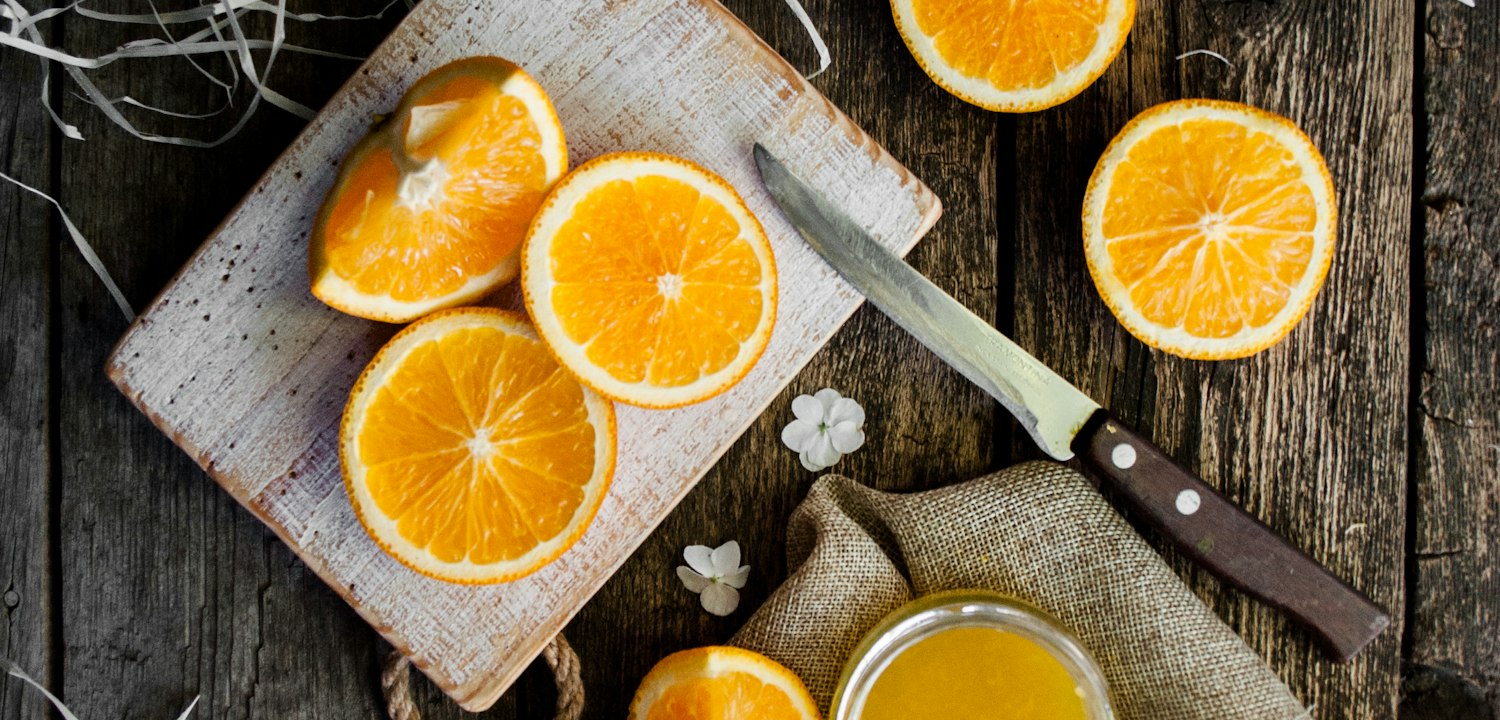
Skin and lips may feel drier with cold air and central heating, and richer products and lip balm are welcome. Keep up with water, which is easy to forget when it is cold, and enjoy warm drinks and broths. Citrus fruits are at their best in winter and brighten grey days.
If low mood affects you in the darker months, be kind to yourself, seek out company and light, and speak to a healthcare professional if it feels heavy. You are not alone, and help is available.
Noticing your own signals
Rather than following rules, pay attention to how you feel. Does your skin feel different? Is your appetite changing? Are you sleeping more or less? Are you drawn to certain foods or activities? These signals are your best guide.
Keep a short note each month, perhaps just a line about what you are enjoying and what is difficult. Over a year, you will see patterns, and you can anticipate changes and prepare for them.
Be flexible. Weather and life do not follow neat calendars, and an unexpected warm day in February deserves a walk without a coat. Let your routine bend with circumstances.
Changing one thing at a time
When the seasons turn, resist the urge to overhaul everything. Choose one or two changes, such as a lighter or richer moisturizer, or a new evening drink, and see how they feel. Adding too many changes at once makes it hard to know what is working.
A seasonal checklist on the fridge can serve as a gentle prompt. Write down a few things to review at each change of season, such as skincare, wardrobe, meals, sleep and outdoor time.
Treat the process as a pleasure and not a duty. Each season has its charms, and a routine that celebrates them is one you will want to keep.
Making the year your own
In time, you may develop personal seasonal traditions: a first picnic of spring, a swim in summer, a pot of soup on the first cold day, a candlelit supper in midwinter. These rituals mark the year and give it texture.
Share them with others, and invite friends to join. Traditions need not be elaborate. A walk to the same spot each autumn to collect leaves is just as meaningful as a grand celebration.
A routine that fits your season is a quiet way of living in step with the world. It asks only for a little attention and a willingness to adjust, and it rewards you with a sense of ease and belonging.
A seasonal reflection to try
At the turn of each season, set aside ten minutes with a cup of tea and a notebook. Write the date and the name of the season at the top. List three things you enjoyed about the last season, three things you would like to carry forward and three things you would like to change or let go.
Then jot down a few intentions for the new season, such as a seasonal recipe to try, a walk to take or a small change to a routine. Keep them modest and specific. Read your notes again at the end of the season and see how it went.
Over a year, you will have four short reflections, and a record of how your life and tastes have shifted. They become a gentle diary of the seasons, and they help you make choices that are in tune with how you really live.
Seasonal food and drink ideas
Each season has foods that feel right. In spring, try fresh herbs, young greens, radishes and lighter soups. In summer, enjoy tomatoes, berries, stone fruit, cucumbers and cool drinks. In autumn, welcome apples, pears, squash, mushrooms and spiced bakes. In winter, savor citrus, root vegetables, stews and warming drinks.
Keep a list of favorites for each season on the fridge door, and consult it when planning. Notice the first appearance of each favorite, and mark it. Eating seasonally encourages variety and connects you to the changing year.
Drinks also follow the seasons. Iced herbal teas and infused waters suit summer, while hot spiced drinks and broths suit winter. Alter what you drink to match the weather, and your routine will feel more responsive.
Seasons, sleep and daylight
Daylight changes through the year, and so do our rhythms. In winter, you may feel like sleeping more and going out less. In summer, you might be tempted to stay up late. A reasonably consistent bedtime and waking time help to anchor you, though a little flexibility with the seasons is natural.
In darker months, try to get outside in daylight, even briefly. In bright summer evenings, a dark curtain or an eye mask can help rest. Adjust your bedroom to suit the season, with lighter bedding in summer and warmer in winter.
If seasonal changes affect your mood or sleep significantly, a healthcare professional can offer help. Simple habits are useful, but personal support is valuable when it is needed.
Questions that come up about seasonal routines
Do I really need to change my routine with the seasons? Not at all. Some people are happy with the same habits all year, and others enjoy shifting things. The idea is simply to notice whether your routine still feels right. What if I live somewhere with little seasonal change? You can still pay attention to subtler shifts, such as rainy and dry seasons, or changes in daylight and temperature. What if my schedule is the same year round? Adjust small details, such as what you eat and drink, and the time you spend outdoors.
How do I know when it is time to change something? Notice when you feel a mild resistance to a habit, or when something that used to feel good is now a chore. Those are cues to experiment. What if I try something and it does not suit me? Go back to what worked, and try something else later. Routines are experiments, and there is no failure in discovering what you do not need.
A last word on living with the year
To live in step with the seasons is to accept that you are part of something that turns. Some months invite activity and some invite rest, and a routine that honors both is more forgiving than one that insists on a single pace. You can start very simply, by noticing the first signs of each season and adding one small ritual that celebrates it, such as a bowl of the year's first strawberries, a lit candle on the first dark evening or a walk through the first fallen leaves. These tiny observances give shape to the calendar and a sense of belonging to the passing year.
Be flexible and be kind. Weather, work and family will shift your plans, and there is no need to follow any scheme perfectly. What matters is that you pay attention, and that you let your habits bend a little with the world outside your window. A routine that breathes with the seasons is easier to keep, and it often turns out to be one of the more enjoyable parts of the year.
A seasonal checklist to keep
A short checklist can help you remember what to review at each change of season. For the kitchen, ask what is at its best now and which recipes suit the weather. For the pantry, ask what staples should be topped up and which items belong to the other half of the year. For the wardrobe, consider whether layers, footwear and coats are ready. For the home, check windows, heating, bedding and lighting.
For personal care, think about how your skin, hair and lips feel, and whether products need adjusting. For movement, consider which activities suit the daylight and temperature. For rest, review your bedtime, your bedroom and your evening rituals. For the outdoors, plan one or two seasonal pleasures, such as a berry-picking trip or a walk to see the autumn colors.
You do not have to do all of these. Choose the ones that matter most, and let the rest go. Keeping a short list on the fridge or in a notebook means that, as the weather changes, you have a gentle prompt to think about what would help. Over several years, you will build a personal almanac of what works for you in every season.
One more thought
Take your time with all of this. Nothing here is urgent, and nothing needs to be done perfectly. Try a single idea, notice how it feels and keep whatever proves useful. Small, unhurried experiments are the surest way to find habits that fit your own life, your own household and your own sense of what feels pleasant and sustainable over the long run.
In short
None of this has to be perfect. Try one idea, keep what is useful and adjust the rest to suit your own week.
This note is for general information only and isn’t medical advice. Talk to a doctor or registered dietitian before making changes to your diet, especially if you have a health condition or take medication.